
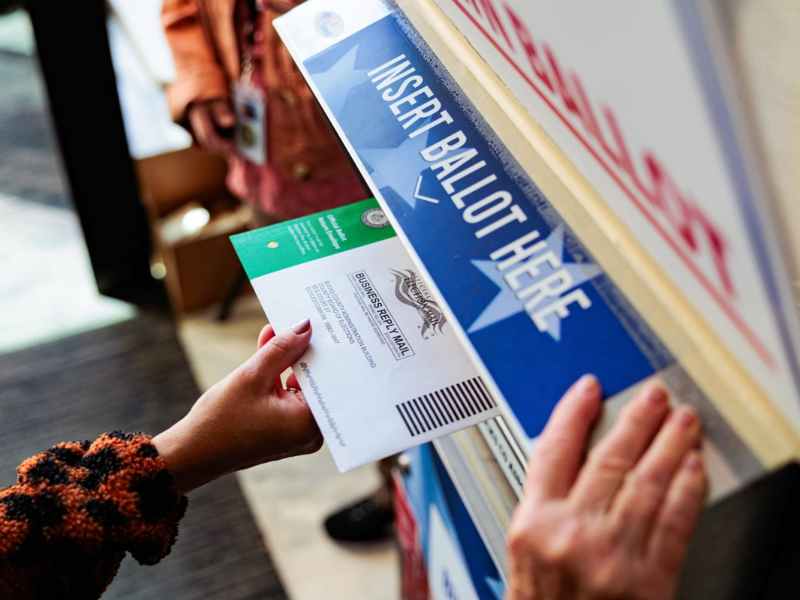
The Supreme Court of the United States appeared sharply divided during arguments over whether mail-in ballots received after Election Day should be counted, raising concerns about potential changes to voting laws ahead of upcoming elections.
The case centers on a Mississippi law that allows ballots to be counted if they are postmarked by Election Day, even if they arrive later. Similar rules are currently in place in at least 13 other states, including California, New York, and Texas.
The legal challenge, backed by the Republican National Committee, argues that federal law setting a uniform Election Day means ballots must both be cast and received by that date. The issue has gained renewed attention as Donald Trump has intensified his opposition to mail-in voting and called for stricter limitations.
During more than two hours of oral arguments, the nine justices debated whether federal election laws prohibit states from counting ballots that arrive after Election Day. Some conservative justices expressed skepticism about allowing late-arriving ballots, while others raised broader concerns about how such a ruling might affect early voting systems already in place across the country.
Legal experts note that a decision to strike down the Mississippi law could significantly reshape election procedures nationwide. It could impact not only domestic voters but also overseas citizens and military personnel, who often rely on extended deadlines to ensure their ballots are counted.
According to court filings from former national security officials, 29 states currently allow extended deadlines for ballots from military and overseas voters. A ruling against Mississippi’s law could disrupt these provisions and create new legal uncertainties.
The outcome of the case may have major implications for the upcoming midterm elections, where control of Congress will be at stake. As the court weighs its decision, election officials and lawmakers across the country are closely watching for guidance that could redefine how and when votes are counted.