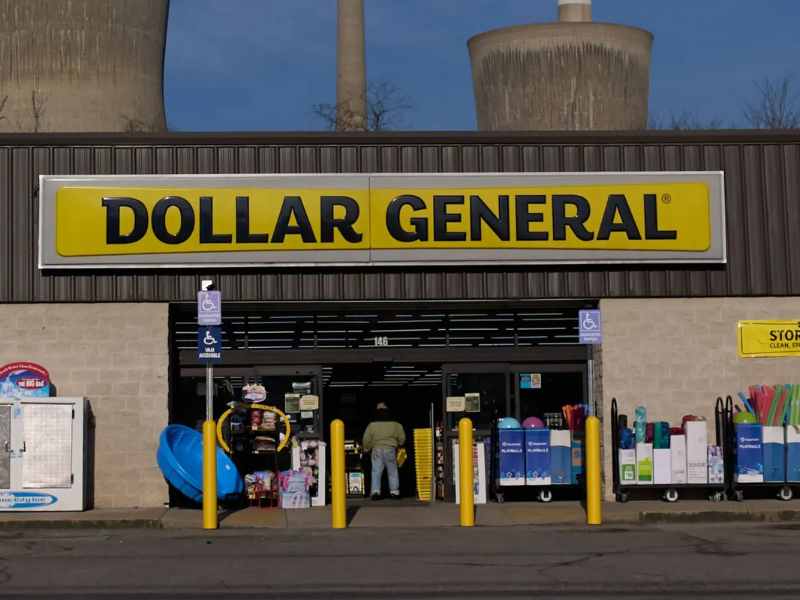
The Dollar General pricing lawsuit settlement has moved forward after Dollar General agreed to pay $8.5 million to resolve allegations that customers were overcharged due to shelf and checkout price discrepancies.
The settlement resolves claims that the discount retailer displayed lower prices on shelves than what shoppers were ultimately charged at checkout. The company, however, has denied any wrongdoing and says it maintains standard pricing practices.
The case was filed in 2022 in the Superior Court of New Jersey and covers purchases made between October 10, 2016, and November 19, 2025. It was brought by Jennifer Braun on behalf of a broader group of affected consumers.
According to the lawsuit, Dollar General allegedly used consistent pricing practices that resulted in customers being charged more than the advertised shelf price. Plaintiffs argued that such discrepancies violated consumer protection laws and affected numerous shoppers across the United States.
Despite the claims, Dollar General said it does not admit liability and agreed to the settlement to resolve the dispute without prolonged legal proceedings.
The settlement applies to U.S. consumers who purchased items from Dollar General stores during the specified period and experienced a difference between shelf prices and checkout charges.
Eligible claimants may receive:
- $10 or the actual overcharge amount (whichever is higher) per claim
- Up to two claims per household, capped at $20 or the total overcharged amount
Consumers were required to submit claims by April 13, 2026, along with proof such as documented complaints or evidence of overcharges, including receipts or photos.
Some customers received direct notices with claim instructions, while others could apply through the official settlement portal.
As part of the settlement, eligible participants may also receive a $3 discount on a minimum $10 purchase. This offer will be valid for a limited two-day period in June 2026 at Dollar General stores nationwide.
The case highlights ongoing concerns around retail pricing transparency and consumer protection. Legal experts say similar lawsuits could emerge as customers become more aware of pricing inconsistencies.