
Sunday night’s BAFTA Awards ceremony in London drew global attention after an unexpected outburst occurred while two celebrated Black actors, Michael B. Jordan and Delroy Lindo, were presenting an award on stage.
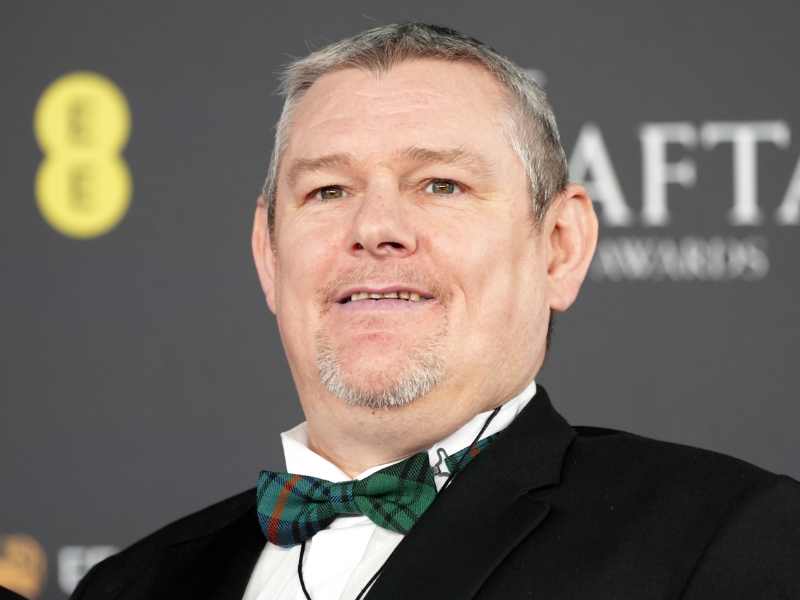
A man in the audience shouted a racial slur during the live event, creating a tense moment inside the venue and sparking widespread discussion online. The individual was later identified as John Davidson, the subject of the British independent film “I Swear,” which centers on his life with Tourette syndrome. Davidson has long campaigned to raise awareness about the neurological condition, which can involve involuntary vocal and physical tics.
Before the ceremony, Davidson had expressed concerns about how the crowded and high-pressure environment might trigger his tics. Organizers had warned the audience in advance that involuntary swearing or vocalizations could occur due to Tourette syndrome. Despite the warning, the outburst visibly stunned many in attendance. Lindo, in particular, appeared momentarily shocked but continued with professionalism as he and Jordan presented the first award of the evening, which went to “Avatar: Fire and Ash” for special visual effects.
Actor Robert Aramayo, who portrays Davidson in “I Swear,” won the award for Best Actor that night. Aramayo has previously spoken about closely studying Davidson’s mannerisms and tics to accurately represent his experience.
Following the incident, host Alan Cumming asked the audience for “understanding” regarding the “strong and offensive language,” emphasizing that Tourette syndrome is a disability and that such vocalizations are involuntary. He added, “We apologize if you are offended tonight.”
The broadcaster BBC, which airs the ceremony on delay, later acknowledged that the slur had not been edited out prior to transmission. A spokesperson confirmed that the word would be removed from the version available on BBC iPlayer.
Meanwhile, Oscar-winning production designer Hannah Beachler stated in a post on X that another outburst during the ceremony was directed at her. Beachler, who won an Academy Award in 2019 for her work on “Black Panther,” wrote that while she understood the complexity of the situation, the phrasing of the apology — particularly “if you were offended” — made matters worse. She added that the incident did not simply “bounce off” her.
On Monday, BAFTA issued a formal statement apologizing for the “very offensive language that carries incomparable trauma and pain for so many.” The organization specifically apologized to Jordan and Lindo for the distressing moment and thanked them for their “incredible dignity and professionalism.” BAFTA also noted that Davidson chose to leave the auditorium during the ceremony and thanked him for his consideration.
The controversy has reignited broader questions about disability, accountability, and public apologies. “I Swear” itself explores whether someone with Tourette syndrome should be expected to continually apologize for actions and words beyond their control. The film draws comparisons to other disabilities, asking whether involuntary actions should carry the same expectations of responsibility.
As debate continues, the incident has prompted renewed discussion about how institutions handle sensitive moments involving disability, language, and the impact on those affected.