
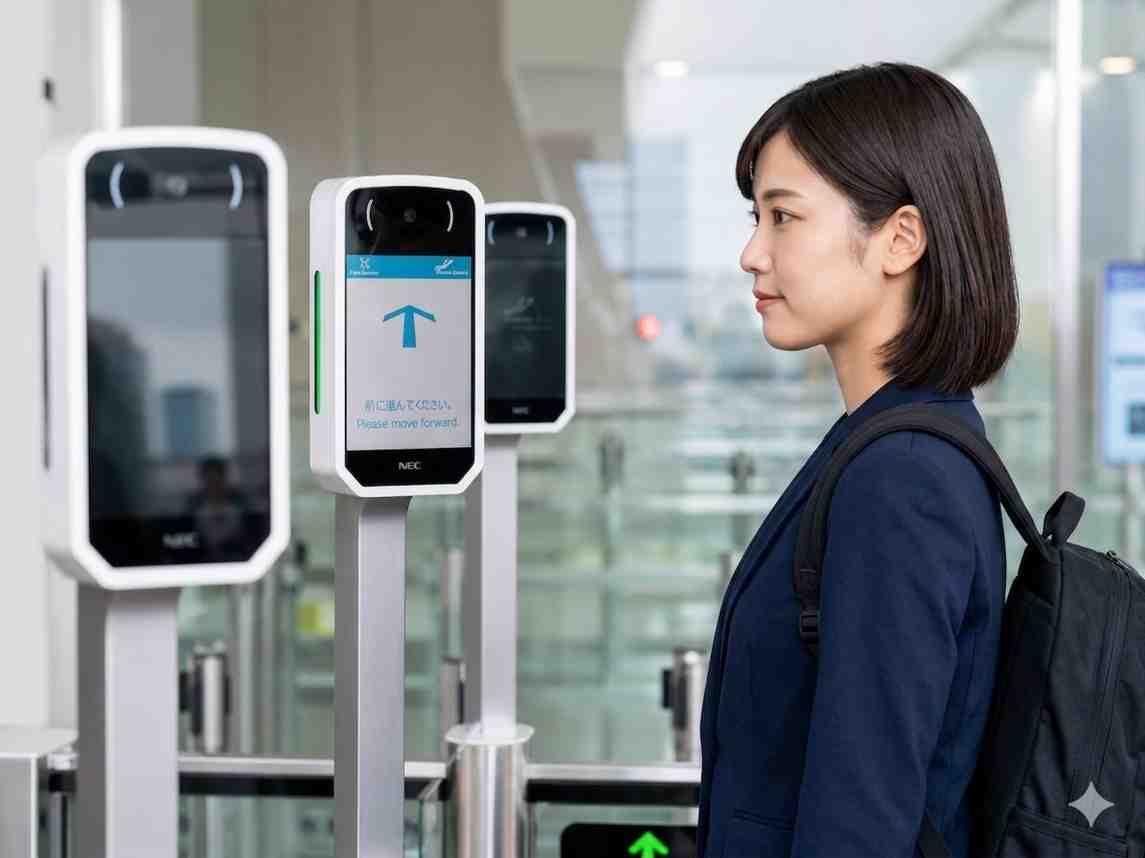
Traveling without boarding passes, passports, hotel keys, or physical documents may soon become a reality as biometric technology rapidly reshapes the global tourism industry. Companies are increasingly investing in facial recognition, fingerprint scans, and identity-based systems designed to create “seamless journeys” for travelers.
At the center of this transformation is Amadeus, one of the world’s largest travel technology providers. The company recently announced plans to acquire French biometric and identity specialist Idemia Public Security for €1.2 billion ($1.41 billion), marking the largest acquisition in its history.
The deal follows Amadeus’ earlier acquisition of Portuguese biometric company Vision-Box in 2024. Vision-Box systems are already being used at several airports, including Narita International Airport.
Amadeus Expands Beyond Traditional Booking Systems
Amadeus CEO Luis Maroto described the acquisition as “strategically important,” saying biometric systems will become a key component of future travel infrastructure.
According to Maroto, the acquisition not only strengthens Amadeus’ technology platform but also expands its client base in the United States and Asia. The company expects the integration to generate annual savings of around €50 million ($58.7 million) in the medium term.
Amadeus has traditionally dominated the travel industry through its Global Distribution System (GDS), which connects airlines, hotels, and travel agencies for real-time bookings. In 2025, the company reported revenue of €6.517 billion and profits of €1.758 billion, while processing around 484 million bookings through its platforms.
AI and Airline Direct Sales Creating Pressure
Despite strong financial results, analysts warn that Amadeus faces growing competition from AI-driven companies and changing airline distribution models.
Experts say airlines are increasingly adopting the International Air Transport Association’s New Distribution Capability (NDC) standard, allowing carriers to personalize pricing and offers while reducing reliance on traditional GDS systems.
Companies such as Google Flights and AI-native travel platforms are also adding competitive pressure.
Market analyst Franco Macchiavelli believes Amadeus is attempting to secure control over the entire traveler experience through biometrics, from airport entry to hotel access. However, he argues investors remain unconvinced, pointing to the company’s declining share price despite announcing its largest-ever acquisition.
Privacy and Regulation Remain Major Challenges
While biometric travel systems promise shorter waiting times and improved airport efficiency, privacy concerns and regulatory scrutiny remain significant obstacles.
Recently, Spain’s data protection authority fined Aena €10 million ($11.75 million) for using facial recognition technology at eight airports. Separately, biometric crypto project World faced restrictions in Spain over iris scanning operations in shopping centers.
Critics argue that biometric systems raise concerns over data security, surveillance, and citizen privacy. However, supporters believe the technology is becoming essential for modern airport operations.
Analysts say facial recognition and biometric access systems could reduce congestion, shorten queues, eliminate bottlenecks during peak hours, and even redesign airport terminals by removing physical barriers.
As airports, airlines, and governments continue investing in digital identity infrastructure, biometrics may soon become a standard part of global travel.