
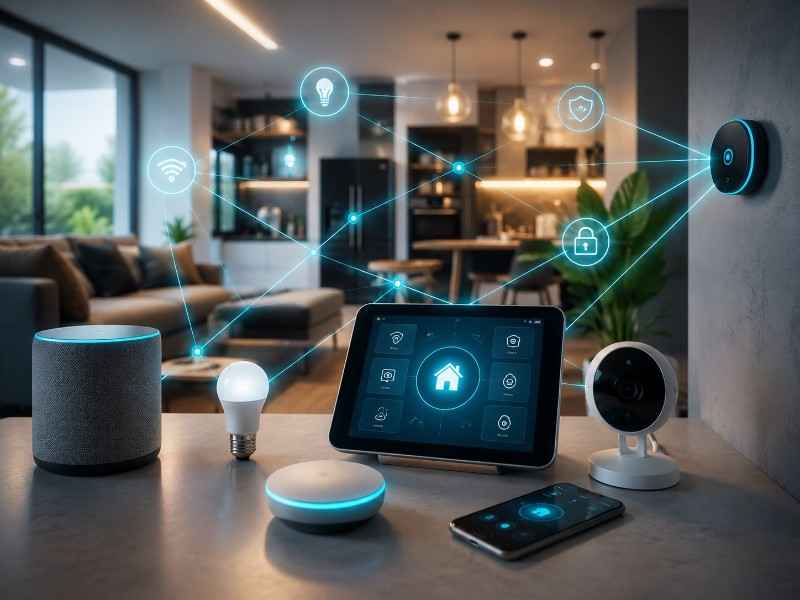
Artificial Intelligence (AI) is no longer a futuristic concept reserved for science fiction movies. Today, AI-powered smart devices have become an integral part of modern homes, helping homeowners improve convenience, security, energy efficiency, and overall quality of life. From voice assistants and smart thermostats to intelligent security systems and automated appliances, AI technology is transforming how we interact with our living spaces.
As technology continues to evolve, smart homes are becoming more intuitive, learning from user behavior and making decisions that simplify everyday tasks. In this article, we’ll explore how AI-powered smart devices are changing modern homes and what homeowners can expect from the next generation of intelligent living.
Understanding AI in Smart Homes
Artificial Intelligence enables devices to analyze data, learn patterns, and make decisions with minimal human intervention. Unlike traditional automation systems that follow fixed commands, AI-powered devices continuously adapt to user preferences and environmental conditions.
For example, a smart thermostat doesn’t simply follow a preset schedule. It learns when residents are home, monitors temperature preferences, and automatically adjusts settings to maximize comfort and energy savings.
This ability to learn and adapt is what sets AI-powered smart devices apart from conventional smart home technology.
Enhanced Home Security
One of the most significant benefits of AI in modern homes is improved security.
Traditional security cameras simply record footage, leaving homeowners to review hours of video when an incident occurs. AI-powered security systems can identify unusual activity, recognize familiar faces, detect package deliveries, and send real-time alerts when suspicious behavior is detected.
Key AI security features include:
- Facial recognition technology
- Motion detection with threat analysis
- Smart doorbell cameras
- Automatic emergency notifications
- Intelligent access control systems
These capabilities help homeowners respond faster to potential threats while reducing false alarms.
Smarter Voice Assistants
Voice assistants have become central hubs for many smart homes. AI-powered assistants can control lighting, entertainment systems, appliances, security devices, and more using simple voice commands.
Modern voice assistants are becoming increasingly sophisticated by:
- Understanding natural language
- Learning user preferences
- Providing personalized recommendations
- Managing schedules and reminders
- Controlling multiple smart devices simultaneously
Instead of manually adjusting various settings throughout the home, users can manage everything through a single voice interface.
Energy Efficiency and Cost Savings
Rising energy costs have encouraged homeowners to seek smarter ways to manage electricity consumption. AI-powered devices can monitor usage patterns and automatically optimize energy consumption.
Examples include:
Smart Thermostats
AI-enabled thermostats analyze household routines and weather conditions to maintain ideal temperatures while reducing energy waste.
Smart Lighting
Intelligent lighting systems automatically adjust brightness levels based on occupancy, time of day, and natural light availability.
Smart Appliances
Modern appliances can operate during off-peak energy hours, reducing electricity costs and improving efficiency.
By continuously analyzing data, AI-powered systems help homeowners lower utility bills without sacrificing comfort.
Personalized Living Experiences
One of AI’s greatest strengths is personalization.
Modern smart homes can adapt to individual preferences by learning daily habits and routines. For example:
- Lights turn on automatically when residents enter a room.
- Coffee makers prepare drinks at preferred times.
- Entertainment systems recommend personalized content.
- Climate controls adjust according to user comfort preferences.
This level of personalization creates a seamless living experience that feels more responsive and intuitive.
Intelligent Home Automation
Home automation has evolved beyond simple scheduling. AI enables homes to make decisions based on real-time conditions and historical data.
Imagine a home that:
- Closes blinds automatically during hot afternoons.
- Adjusts indoor temperatures before residents arrive home.
- Activates security systems when everyone leaves.
- Detects water leaks and immediately sends alerts.
These automated actions improve convenience while reducing the need for constant manual control.
Improved Health and Wellness
AI-powered smart devices are also contributing to healthier living environments.
Modern smart homes can monitor factors such as:
- Indoor air quality
- Humidity levels
- Temperature fluctuations
- Sleep patterns
- Noise levels
Smart air purifiers and climate control systems can automatically respond to changing conditions, helping create healthier indoor environments for families.
Additionally, AI-powered wearable devices can integrate with home systems to provide wellness insights and support healthier lifestyles.
Smart Kitchens and Connected Appliances
The kitchen is becoming one of the most intelligent areas of the home.
AI-enabled appliances can:
- Suggest recipes based on available ingredients
- Monitor food freshness
- Adjust cooking temperatures automatically
- Manage grocery inventories
- Reduce food waste
Smart refrigerators, ovens, and dishwashers are making meal preparation more convenient and efficient than ever before.
Predictive Maintenance
Unexpected appliance failures can be costly and inconvenient. AI-powered systems help prevent these issues through predictive maintenance.
By monitoring performance data, smart devices can identify signs of wear or malfunction before a breakdown occurs.
Examples include:
- HVAC systems detecting airflow problems
- Washing machines identifying mechanical issues
- Water heaters monitoring performance efficiency
- Electrical systems recognizing unusual energy usage
Early warnings allow homeowners to address problems before they become expensive repairs.
Challenges and Considerations
While AI-powered smart homes offer numerous benefits, homeowners should also consider potential challenges:
Privacy Concerns
Many smart devices collect data to improve functionality. Understanding privacy settings and choosing trusted manufacturers is essential.
Cybersecurity Risks
Connected devices can become targets for cyberattacks if not properly secured. Strong passwords, software updates, and secure networks are critical.
Compatibility Issues
Not all smart devices work seamlessly together. Homeowners should consider ecosystem compatibility before purchasing new products.
Initial Investment
Building a fully integrated smart home may require a significant upfront investment, although long-term savings often offset these costs.
The Future of AI-Powered Homes
The future of smart homes looks increasingly intelligent. As AI technology advances, homes will become even more proactive, predictive, and personalized.
Future innovations may include:
- Advanced home robots
- Fully autonomous energy management
- AI-driven elder care systems
- Enhanced predictive security solutions
- More seamless device integration
These developments will continue to blur the line between technology and daily living, creating homes that actively support residents’ needs.
AI-powered smart devices are fundamentally changing modern homes by improving convenience, security, energy efficiency, and personalization. From intelligent security systems and voice assistants to smart appliances and predictive maintenance tools, AI is creating living environments that are more responsive and efficient than ever before.
As technology continues to evolve, homeowners can expect even greater levels of automation and intelligence. While challenges such as privacy and cybersecurity remain important considerations, the benefits of AI-powered smart homes are undeniable. For homeowners seeking greater comfort, control, and efficiency, AI technology is quickly becoming an essential part of modern living.