
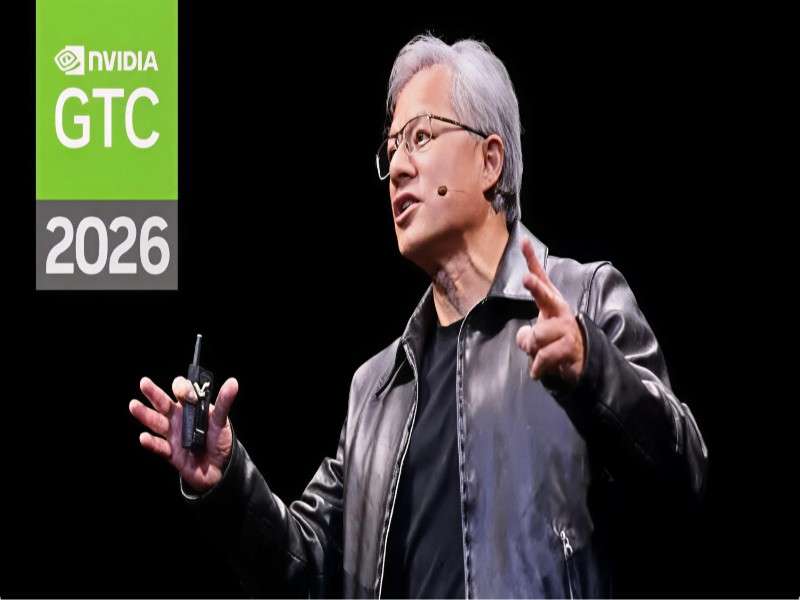
SANTA CLARA, California, Nov. 13, 2026 — Nvidia co-founder Jensen Huang has resigned as chief executive officer and stepped down from the company’s board of directors, bringing an abrupt end to more than three decades of leadership at the semiconductor giant that helped power the global artificial intelligence boom. The departure comes amid scrutiny over Huang’s personal relationships and national security concerns involving a businesswoman suspected by U.S. authorities of gathering intelligence for China.
Nvidia confirmed the leadership transition in an announcement Thursday, November 12, naming longtime Chief Financial Officer Colette Kress as interim chief executive while the board searches for a permanent replacement. The company also appointed Harvey C. Jones, a director since 1993, as its first board chair as it works to reassure customers, employees and investors about continuity.
The unexpected resignation adds uncertainty to one of the world’s most influential technology companies at a time when investors are already questioning the enormous spending behind the artificial intelligence industry. Nvidia’s shares closed down 4.3% on Thursday at $166.19 as Wall Street assessed the implications of losing the executive who had become the public face of the AI revolution.
Why Did Nvidia CEO Jensen Huang Resign?
Huang’s resignation followed several days of reports concerning his personal relationships, including an alleged affair with a Chinese technology executive whom U.S. intelligence officials suspect of gathering information for Beijing. The allegations raised questions about possible exposure to sensitive business information at a company whose advanced chips are central to U.S. technology competitiveness and subject to export restrictions.
The businesswoman, identified in media reports as Alice Huang, has been associated with a Singapore-based data center company. U.S. authorities have reportedly investigated whether restricted Nvidia chips were diverted to China through business networks connected with the company, although those allegations do not establish that Jensen Huang knowingly participated in illegal activity.
Additional reporting raised questions about Huang’s relationships with company employees and potential corporate governance concerns. Reuters reported that Huang had been involved with another employee, citing people familiar with the matter, while other outlets described separate allegations involving a senior Nvidia executive.
Nvidia’s board announced an independent investigation on November 8 into reports that Huang had been targeted by a foreign intelligence effort. At that time, the directors said they had no reason to believe that national security or company secrets had been compromised, while emphasizing that the review would examine the available evidence.
The company has not announced that its investigation has established espionage or wrongdoing by Huang. His resignation ends his executive and board roles, but it does not by itself determine whether the allegations are true or whether any laws were violated.
Colette Kress Takes Over as Nvidia Interim CEO
Colette Kress, Nvidia’s executive vice president and chief financial officer, has been appointed interim chief executive during the search for Huang’s permanent successor. She will continue serving as CFO while taking responsibility for Nvidia’s overall operations, placing an experienced financial executive in charge during a critical period for the business.
Kress joined Nvidia in September 2013 and has helped oversee its financial operations through the company’s transformation into an artificial intelligence powerhouse. Before joining Nvidia, she held senior finance positions at Microsoft and Cisco, giving her extensive experience in the technology industry.
Nvidia’s board said it has confidence in Kress and the existing leadership team to maintain customer relationships, product development and operational commitments. The company plans to evaluate both internal and external candidates for the permanent chief executive position, although no timetable has been announced.
Harvey C. Jones, who has served on Nvidia’s board since the company’s early years, will oversee the board as its newly appointed chair. His appointment separates the board leadership role from the chief executive position and gives Nvidia an experienced director to supervise the transition.
Nvidia Stock Falls as Investors React to Leadership Shake-Up
Nvidia shares declined 4.3% during Thursday’s trading session, closing at $166.19 as investors weighed the departure of the executive most closely associated with the company’s extraordinary growth. The stock had experienced additional volatility earlier in the week as reports about Huang’s relationships and the board’s investigation emerged.
The sell-off occurred during a difficult period for technology stocks, with investors increasingly concerned about the valuations of companies involved in artificial intelligence. The uncertainty surrounding Nvidia’s leadership has added another source of pressure to a market already focused on borrowing costs, infrastructure spending and expectations for future AI demand.
Market analysts have emphasized that Huang’s departure presents an unusual challenge because Nvidia has been led by the same chief executive since its founding in 1993. Huang was closely involved in strategic decisions, product direction and partnerships with major technology customers, making succession planning particularly important.
However, some analysts believe Nvidia’s extensive engineering teams, established product roadmap and customer relationships could provide stability during the transition. The company’s ability to maintain its development schedules and supply commitments will be closely watched as investors assess the performance of the interim leadership team.
Jensen Huang Built Nvidia Into an AI Chip Giant
Jensen Huang co-founded Nvidia in 1993 with Chris Malachowsky and Curtis Priem, initially focusing on graphics processors for personal computers and video games. Under his leadership, the company expanded from gaming hardware into professional computing, data centers, artificial intelligence and advanced systems designed to handle enormous computing workloads.
Nvidia’s graphics processing units became especially important as researchers discovered their ability to accelerate machine learning and the training of sophisticated AI models. The company’s CUDA software platform further strengthened its position by giving developers tools to build applications that run on Nvidia hardware.
The rapid adoption of generative artificial intelligence brought unprecedented demand for Nvidia’s chips from companies developing large language models and expanding cloud infrastructure. Microsoft, Amazon, Google, Meta and leading AI developers have relied on Nvidia’s computing technology for major projects.
Nvidia consequently became one of the world’s most valuable publicly traded companies, with Huang widely recognized as a central figure in the modern AI industry. His departure removes an influential executive from a business that has played a defining role in the expansion of AI computing.
National Security Questions Surround Nvidia’s China Business
The controversy has also renewed attention on Nvidia’s relationship with China, one of the most important and politically sensitive markets for advanced semiconductor technology. U.S. authorities have imposed restrictions on exports of certain powerful AI chips to China because of concerns that the technology could support military and intelligence capabilities.
Huang has repeatedly argued that American technology companies should retain opportunities to compete in the Chinese market within the limits of U.S. law. His position made him an influential participant in discussions about semiconductor exports, technological competition and the economic consequences of restrictions.
Reports linking Huang to a businesswoman suspected of intelligence activity have increased scrutiny of those relationships and the handling of sensitive commercial information. Nvidia’s independent investigation is intended to examine the circumstances surrounding the allegations, while U.S. authorities are conducting their own inquiries.
The situation has drawn attention from lawmakers concerned about whether advanced American computing technology has reached restricted customers. However, investigations and allegations should be distinguished from established findings, and no public conclusion has demonstrated that Nvidia’s confidential technology was compromised through Huang’s personal relationships.
What Jensen Huang’s Exit Means for the AI Industry
Nvidia supplies some of the most advanced chips and networking systems used to train and operate artificial intelligence models, making its business decisions important to the wider technology industry. Major AI developers and cloud providers depend on its hardware, software and engineering support as they expand their computing infrastructure.
A leadership transition could create uncertainty about strategic partnerships, product development schedules and the company’s approach to financing and supporting customers. However, Nvidia has emphasized that its operational commitments and technology roadmap are expected to continue without interruption.
Competition is also intensifying as AMD, Broadcom and other semiconductor companies seek a larger share of the AI computing market. Several major cloud providers are additionally developing their own specialized processors in an effort to reduce dependence on external suppliers.
The leadership change comes amid broader Wall Street concerns about whether enormous investments in AI data centers will produce sufficient financial returns. As previously reported by Business Innovative News, technology stocks have faced sharp selling pressure as investors question AI spending and valuations.
Who Will Replace Jensen Huang as Nvidia CEO?
Nvidia’s board has launched a search for a permanent chief executive and says it will consider candidates from inside and outside the company. No successor has been announced, and Kress will remain interim CEO until the board completes its selection process.
Potential candidates will face the challenge of maintaining Nvidia’s technological leadership while managing intense competition, export restrictions and exceptionally high expectations from investors. The next chief executive will also need to preserve relationships with major cloud providers and AI developers that are committing billions of dollars to computing infrastructure.
Kress’s experience overseeing Nvidia’s financial expansion may provide continuity as the company prepares for its next earnings report and addresses questions from investors. The board’s choice of a permanent successor will be closely examined for indications of whether Nvidia intends to maintain its current strategy or introduce changes under new leadership.
Nvidia Faces Investor Scrutiny Ahead of Earnings
The resignation comes as Nvidia prepares to report financial results amid growing investor concern about the sustainability of spending across the artificial intelligence industry. Demand for advanced processors remains a major driver of the company’s business, but investors are increasingly focused on growth expectations, profit margins and the timing of new product launches.
The company’s upcoming disclosures are also likely to attract questions about corporate governance, the leadership transition and whether customer or supplier relationships have been affected. Nvidia has said that it expects operations and product development to continue normally, while its independent board investigation into the security-related allegations remains an important unresolved issue.